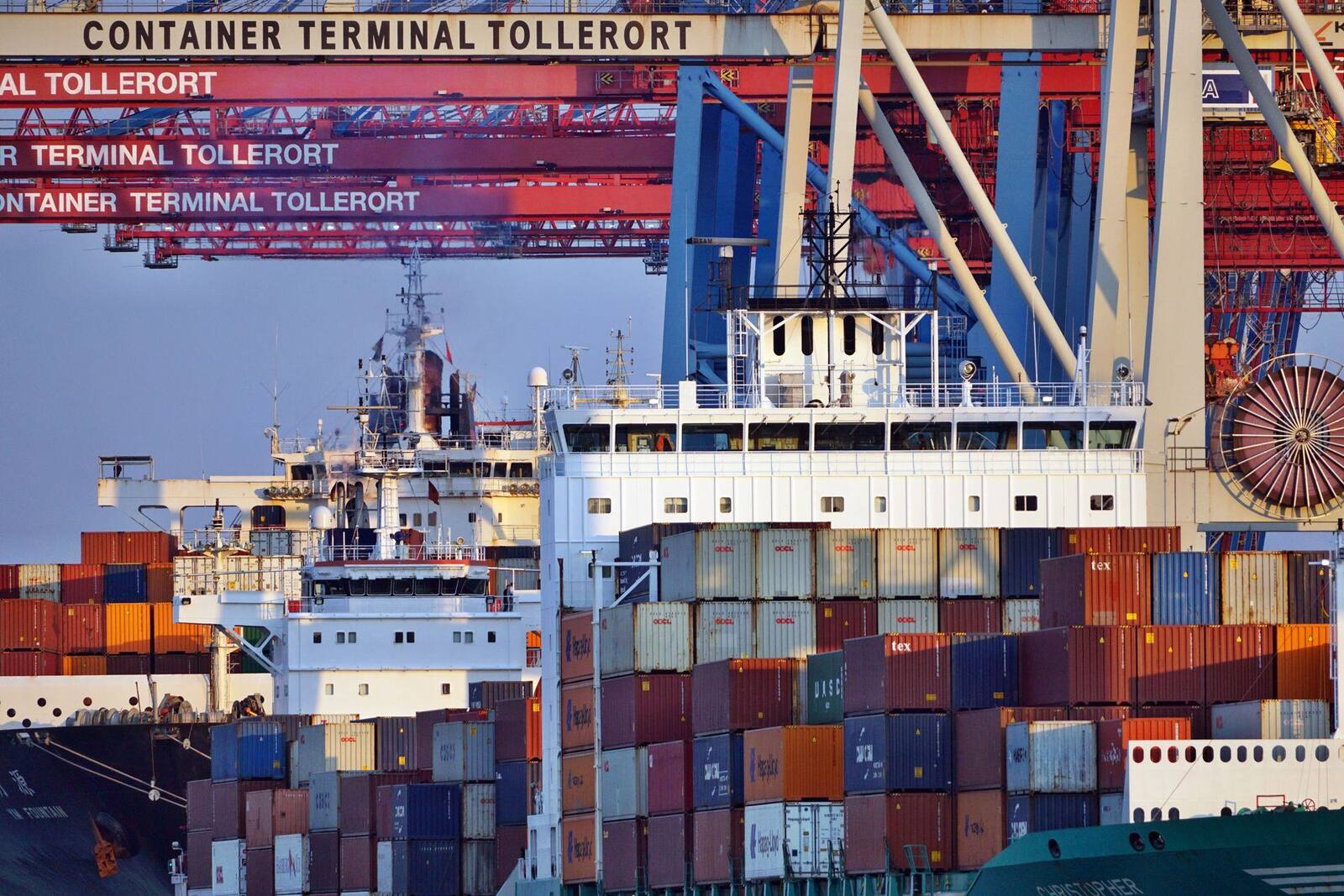
Build the routes. Score the risk. Let the market price them.
Most quoting starts with whatever a forwarder happens to run. Ours starts earlier. We construct the viable routings across sea, air, road and rail, score each one for what can go wrong on it, and only then put them out to be priced.
Four things happen between your brief and your report.
Every viable routing between your two points, not just the obvious one. Modes and combinations, transhipment options, border crossings, chokepoints.
Our engineEach routing carries a different set of problems. Permits, inspection exposure, sanctions contact, congestion history, how far the price has moved this quarter.
Our risk modelThe scored routings go to specialist forwarders who can actually run them. We tell them what to price rather than asking what they happen to offer.
The marketEverything restated onto one scope and one currency, ranked on landed cost against time and risk, with the reasoning written out.
Us, with analystsThe prices are real because the market sets them. The options are better because we build them rather than wait to be offered them.
A brief a forwarder can actually price.
Most quote requests fail because they are incomplete. A forwarder receives "1,000 tonnes to Indonesia, what does it cost", cannot answer without four follow-up questions, and puts it at the bottom of the pile.
We will not send a brief out until every field that changes the price is filled: commodity and HS code, UN number and class if it is regulated, weight and volume, packaging and any out-of-gauge dimension, the origin factory and the final delivery point rather than just the ports, the Incoterm and the ready date.
You do not have to supply all of that yourself. The intake asks for what you are likely to have, everything else is optional, and we complete the rest before anything goes out. That is what the day-zero call is for.

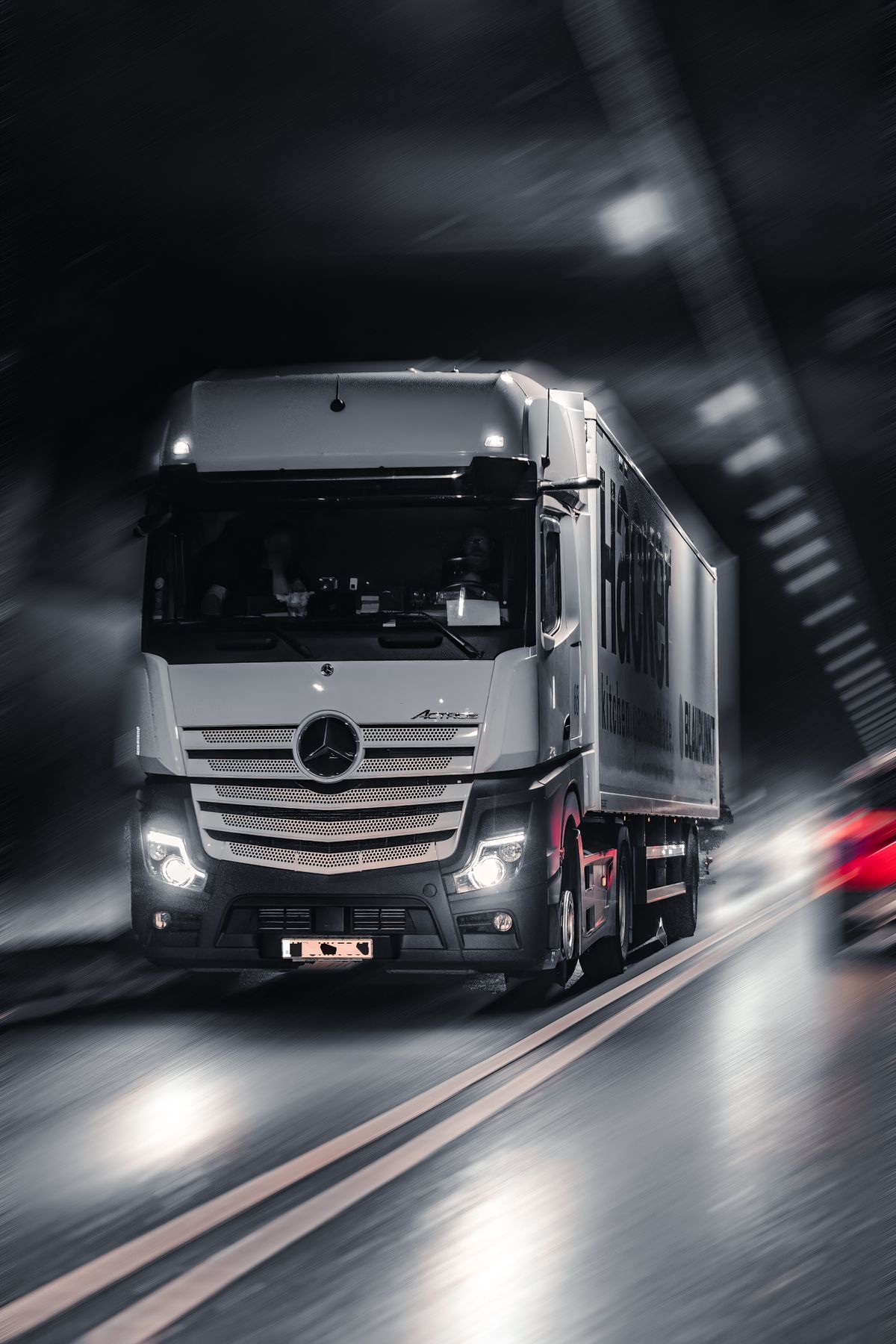
The routings you would not have thought to ask for.
An exporter asks for the route they know. A forwarder quotes the route they run. Neither of those is the same question as "what are all the ways this cargo can get there, and what does each one really cost".
Our engine works the second question. It assembles the combinations across sea, air, road and rail, including the ones that cross a land border to reach a cheaper port, the ones that split a shipment across two modes, and the ones that avoid a chokepoint entirely.
Then each routing is scored. Permits and licences it triggers. How often cargo like yours gets opened on it. Sanctions and chokepoint contact. Congestion and volatility on the legs it uses. Cheaper is a decision, not a discount, and the score is what makes the decision visible.
A model cannot invent a price. The market has to give it.
This is where we stop generating and start testing.
Scored routings go out to specialist forwarders on the same morning, on an identical brief: forwarders at origin, forwarders based in the destination country, and specialists in your cargo class who would never appear in your address book. They are told how many parties are quoting and when the decision is made, because a forwarder who knows the odds bids properly and one who suspects a lottery does not bid at all.
They are pricing something specific rather than guessing at a vague enquiry, which is why the numbers come back usable. We also give them an easy way to decline. A one line no costs ten seconds and tells us something worth knowing about who covers what.
Putting four answers on one basis.
This is the genuinely hard part, and the reason the report is worth paying for.
Quotes come back in different currencies, on different Incoterms, with different things bundled in. One is port to port. One includes destination handling but not the inland leg. One has a dangerous goods surcharge inside the rate and one has it as a line item. One is held for thirty days and one for seven.
Left as received they cannot be compared, and the lowest number is very often not the lowest price. We restate every quote onto a single scope, mark anything we have estimated rather than been quoted, and show the working.
| As quoted | What is missing | Restated |
|---|---|---|
| $99.55 / t | DG surcharge, destination handling, inland leg | ~$121 / t |
| $116.82 / t | Nothing. Quoted door to door | $116.82 / t |
| $103.64 / t | Nothing, but two transhipments and 13 extra days | $103.64 / t |
Illustrative figures from the sample report. The lowest quoted number is the most expensive of the three once stated on the same basis.
Screening happens before anything is built.
We take
- Hazardous and IMO classified cargo
- Bulk, breakbulk and out-of-gauge
- Regulated chemicals into registration regimes
- Minerals, metals and industrial raw materials
- Lanes you have never run before
- Lanes you run constantly and suspect you overpay on
We do not take
- Any sanctioned origin or destination
- Cargo raising a dual-use question we cannot resolve
- Anything requiring us to book, handle documents or hold funds
- Live animals, arms, and anything we would not want our name beside
If we cannot take a lane we tell you inside one working day and you are not charged.
Brief one shipment. See what the market actually says.
Ten minutes to describe a lane, and almost nothing is compulsory. Real quotes in five working days, or your money back if we find you nothing better.