Prototype build for customer discovery. Nothing on this site is a live service and no data is stored.
Freight intelligence for industrial exporters

Know the true cost
of every route
before you book one.

Our engine builds the routings across sea, air, road and rail, scores each for inspection risk, permits and chokepoint exposure, then puts them to specialist forwarders to price. You get five real answers to the same shipment, and the reason the cheap one is cheap.

AI-built routes · Market-tested prices · All modes · Five working days

8Forwarders sourced per lane
5Working days to report
0%Commission taken
3–5Routings built and priced

Ocean · Air · Road · Rail · Multimodal · Door to door

The problem

Nobody tells you what you should have paid.

Freight is one of the few costs in your business with no visible market price. You find out whether the number was good only by paying it.

On an unfamiliar lane you call three or four forwarders. They know you have never shipped there, they know you will stop at three or four, and they know the whole thing is happening over email at nine at night. So they quote accordingly.

On a lane you have run for years the problem is quieter and usually larger. The rate creeps, nobody tests it, and the drift is invisible because there is nothing to compare it against.

ChemicalsMineralsMetals Industrial raw materialsHazmat & IMO classified Breakbulk & out‑of‑gauge
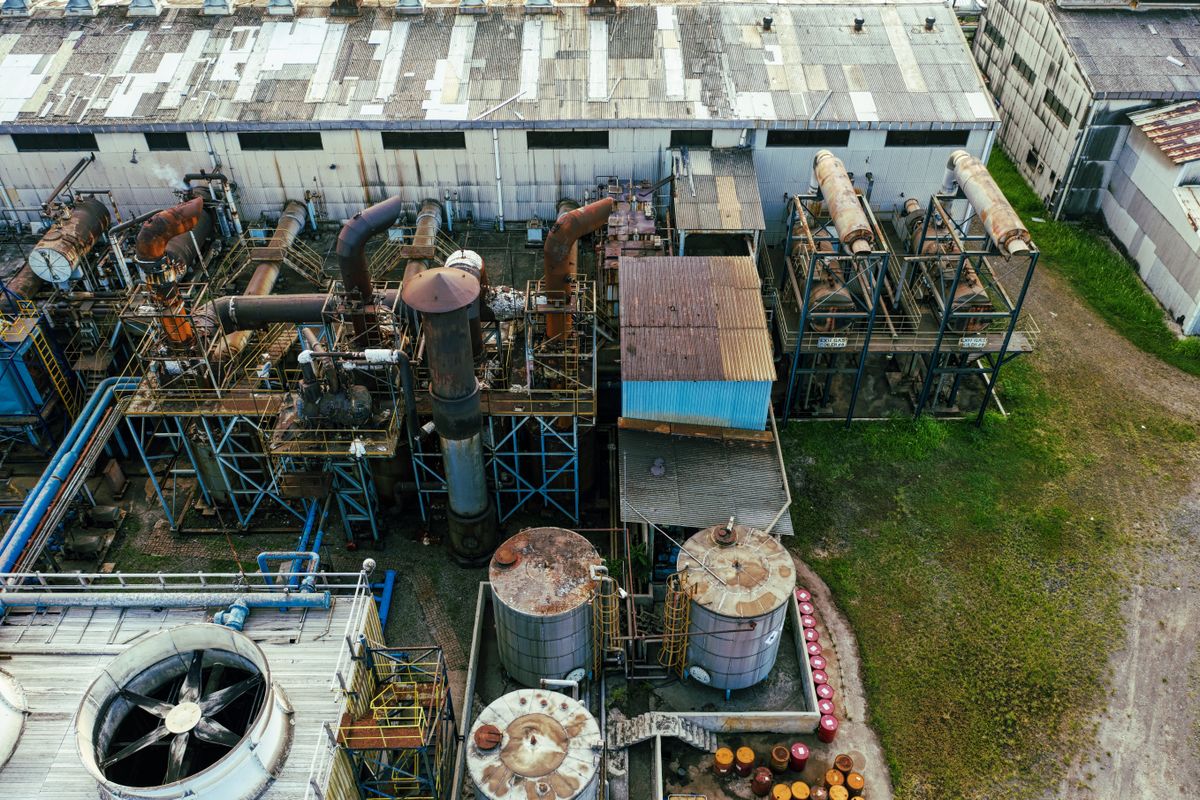
Industrial drums and pipework at a storage yard
The part a rate comparison cannot tell you

Cheaper is a decision, not a discount.

The same shipment, three ways. All three are real, all three get priced, and the right one depends on facts about your buyer that no rate table knows to ask.

Overland

Saves $4,000 and crosses three borders. Each one can open the cargo, and bagged goods do not always survive an inspection intact.

Sea

Costs more, arrives later, and is opened once. One transhipment, and a rate that holds for three weeks rather than seven days.

Air

Three times the price and on your customer's floor in four days. Absurd until the alternative is losing the account.

We build all three, score them, and have them priced. Then we tell you which one we would take and why, including the one we would not.

Three reasons people order

You do not have to be opening a new market.

Most of our value shows up in one of three situations, and only the first is about expansion.

The market you cannot price

A buyer asks for a delivered price into a country you have never served. Until you know the freight you cannot quote, so the opportunity quietly dies on your desk.

What you get: a real number in five days, and the ability to answer.
The lane you never test

Same route, same forwarder, same invoice every quarter. It might be a good rate. Nobody has checked in three years, and a few percent of drift on a lane you run constantly is real money.

What you get: a benchmark, and the answer either way.

The renewal you walk into empty-handed

Your forwarder proposes next year's rates. You have nothing to compare them with, so you negotiate on feel. Four competing quotes on the table changes that conversation completely.

What you get: leverage, whether or not you switch.

How it works

One brief from you. One comparable answer back.

No marketplace to learn and no account to configure first. You describe a shipment. Four things then happen to it.

Build

Every viable routing between your two points, not just the obvious one. Modes and combinations, transhipment options, border crossings, chokepoints.

Our engine
Score

Each routing carries a different set of problems. Permits, inspection exposure, sanctions contact, congestion history, how far the price has moved this quarter.

Our risk model
Price

The routings that survive the score go to specialist forwarders who can actually run them. We tell them what to price rather than asking what they happen to offer.

The market
Rank

Everything restated onto one scope and one currency, ranked on landed cost against time and risk, with the reasoning written out.

Us, with analysts

The prices are real because the market sets them. The options are better because we build them rather than wait to be offered them.

Day 0

You brief the shipment

Commodity, cargo value, where it starts and where it actually has to end up. Ten minutes, and almost nothing is compulsory. Anything you do not have to hand, we pick up on the call.

Day 1

The routings go out to be priced

Once the options are built and scored, they go to specialist forwarders at origin, in the destination market, and in your cargo class. Eight of them, identically, on the same morning, with a stated deadline. We tell them what to price rather than asking what they happen to run.

Day 2–4

We chase, and we record the chasing

Who answered, how fast, who asked which question, who never replied. Responsiveness on an unfamiliar lane tells you as much as the rate does.

Day 4

We put them on one basis

Quotes arrive in different currencies, on different Incoterms, with different things included. Making them honestly comparable is the actual work, and it is the part you cannot do from your own desk.

Day 5

You get the report and a call

Priced routing options, transit times, validity dates, the documentation and permits each needs, the friction we found, and a recommendation with the reasoning. Then thirty minutes to walk through it.

Day 30

We ask what actually happened

Did you ship, with whom, at what price, did the quote hold. It closes the loop for you and makes the next report on that corridor sharper.

What you get

A document that ends an argument, not a dashboard you have to learn.

Options on one basis

Three to five routings, each with an all-in price from a named forwarder, restated onto the same scope so the comparison is real rather than apparent.

Transit and validity

How long each option takes and how long the price is held. A cheap quote with a seven day validity is not a cheap quote.

Documents and permits

What each option requires and who has to obtain it. The item that delays a first shipment usually sits with the consignee, which is exactly why it gets missed.

Lane friction

Inspection reputation at the transit ports, seasonal congestion, packaging rules your cargo class triggers, tariff treatment at destination.

Who answered, and how fast

Response times, declines and the reason for each. Over a few reports this becomes your own map of who can actually cover which corridor.

A recommendation, with reasons

Including which option we would not take and why. We can write that sentence because no forwarder pays us anything.

Why you can trust the recommendation
We take no commission, no placement fee and no referral from any forwarder we approach. You pay us for the report. You contract with them directly. That is the whole arrangement.
The reason we can tell you which option to avoid
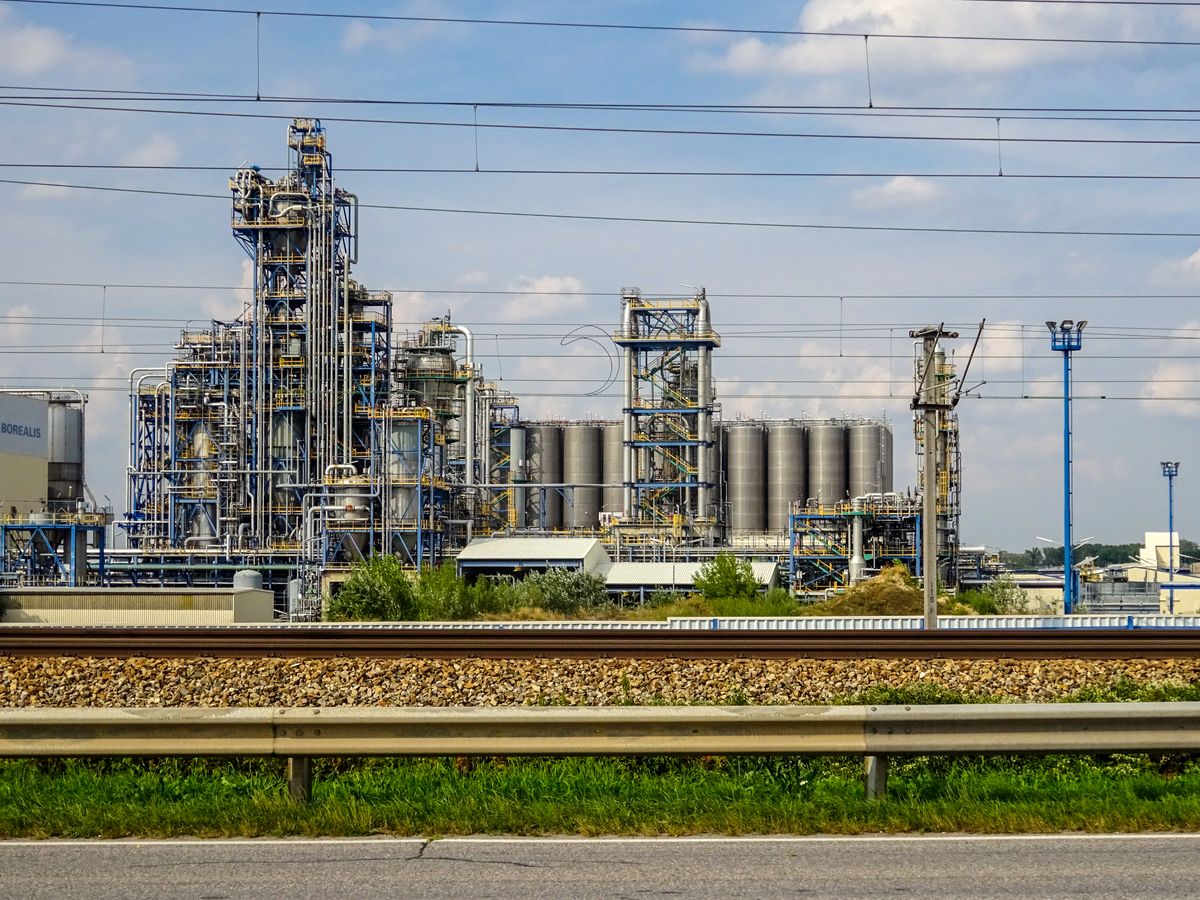
Chemical processing plant with pipework and towers
Where we are useful

Cargo that self-service marketplaces will not quote.

If you move standard pallets in standard containers on a well-traded lane, you already have good options and you do not need us. We are built for the shipments those platforms decline.

Hazardous and IMO classified goods. Bulk and breakbulk. Non-standard and out-of-gauge. Regulated chemicals moving into jurisdictions with import registration regimes. Corridors where documentation and screening decide whether the shipment happens at all.

Our first customers are mid-size industrial exporters in Türkiye, the Gulf and Southeast Asia who ship enough to care about the number and not enough to employ a logistics procurement team.

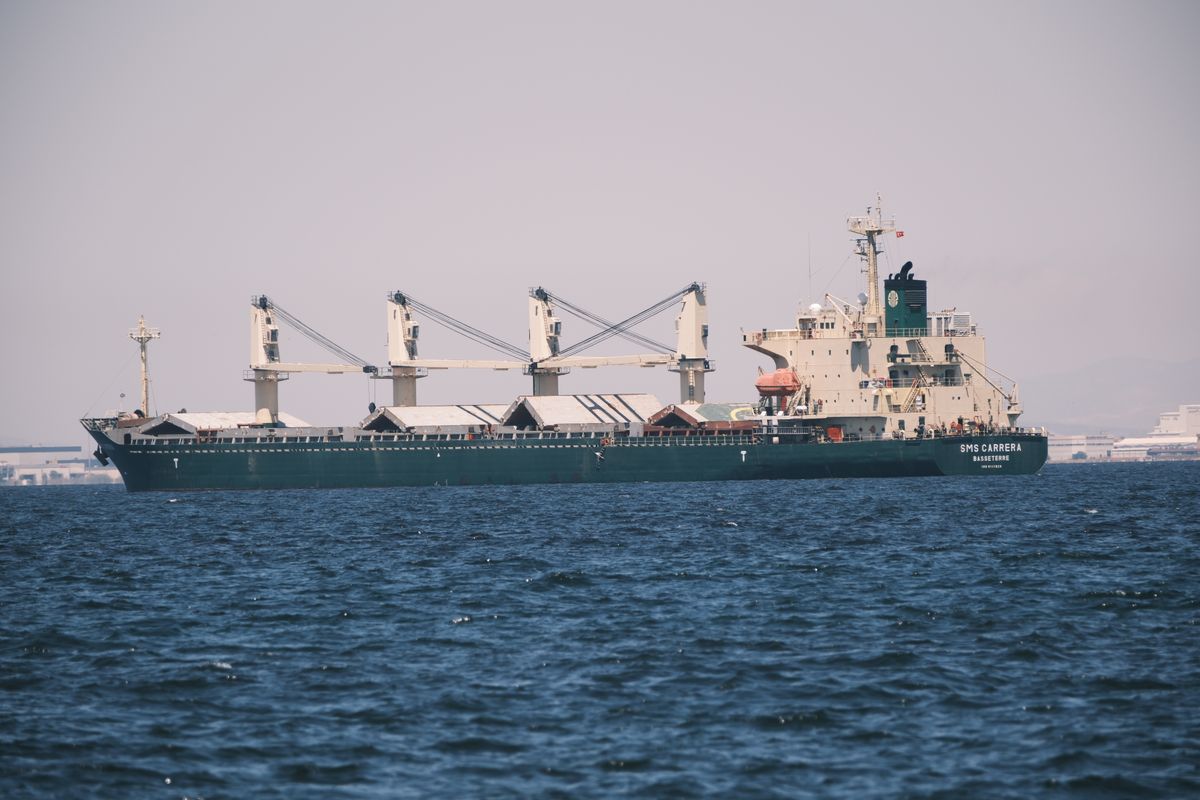
Cargo vessel off the coast of Türkiye

Türkiye and the Eastern Med

Mersin, İzmir, Ambarlı. Chemicals and metals moving east and south.

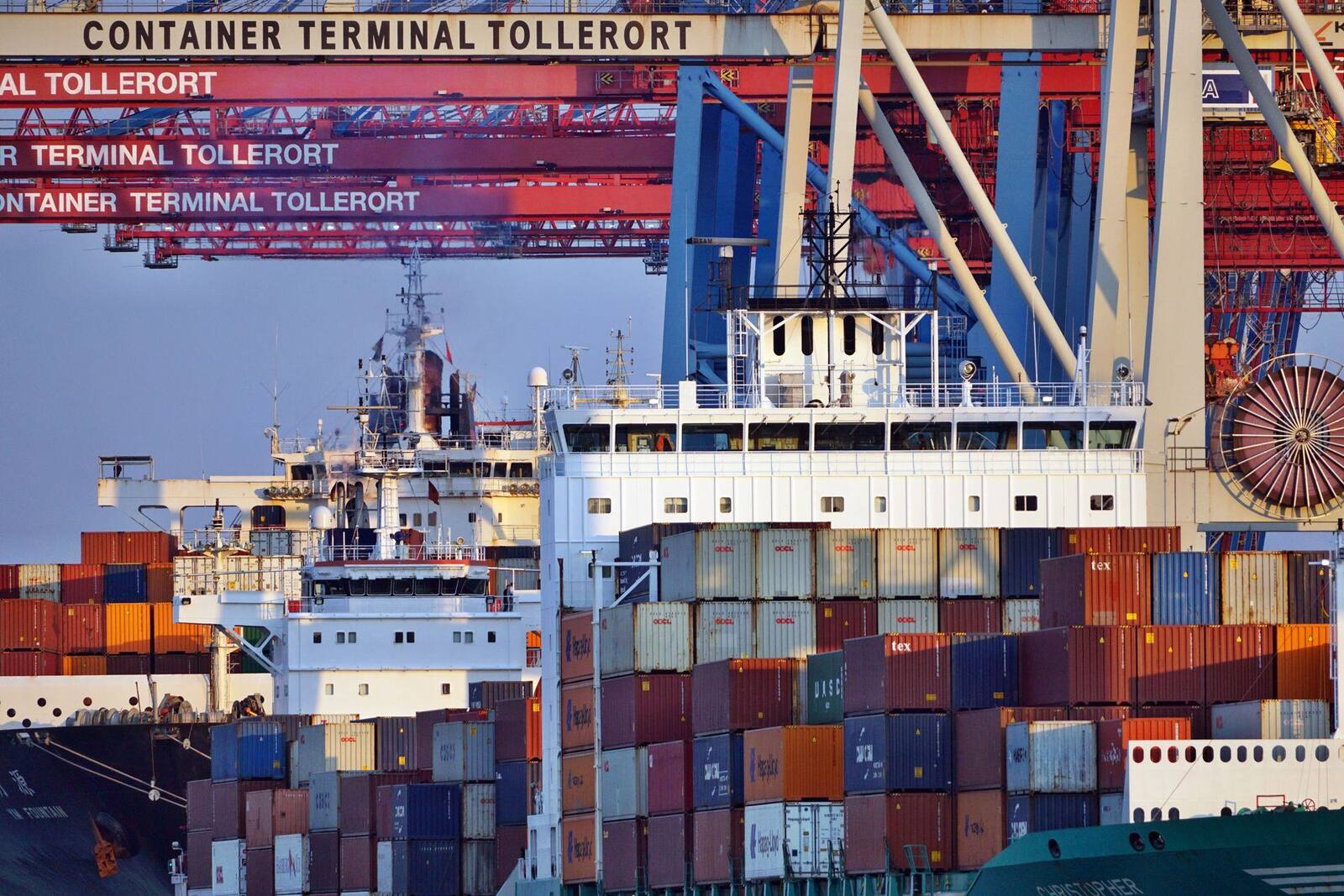
Container ships at a terminal at dusk

The Gulf

Jebel Ali, Sohar, Dammam. Re-export corridors and Hormuz routing risk.

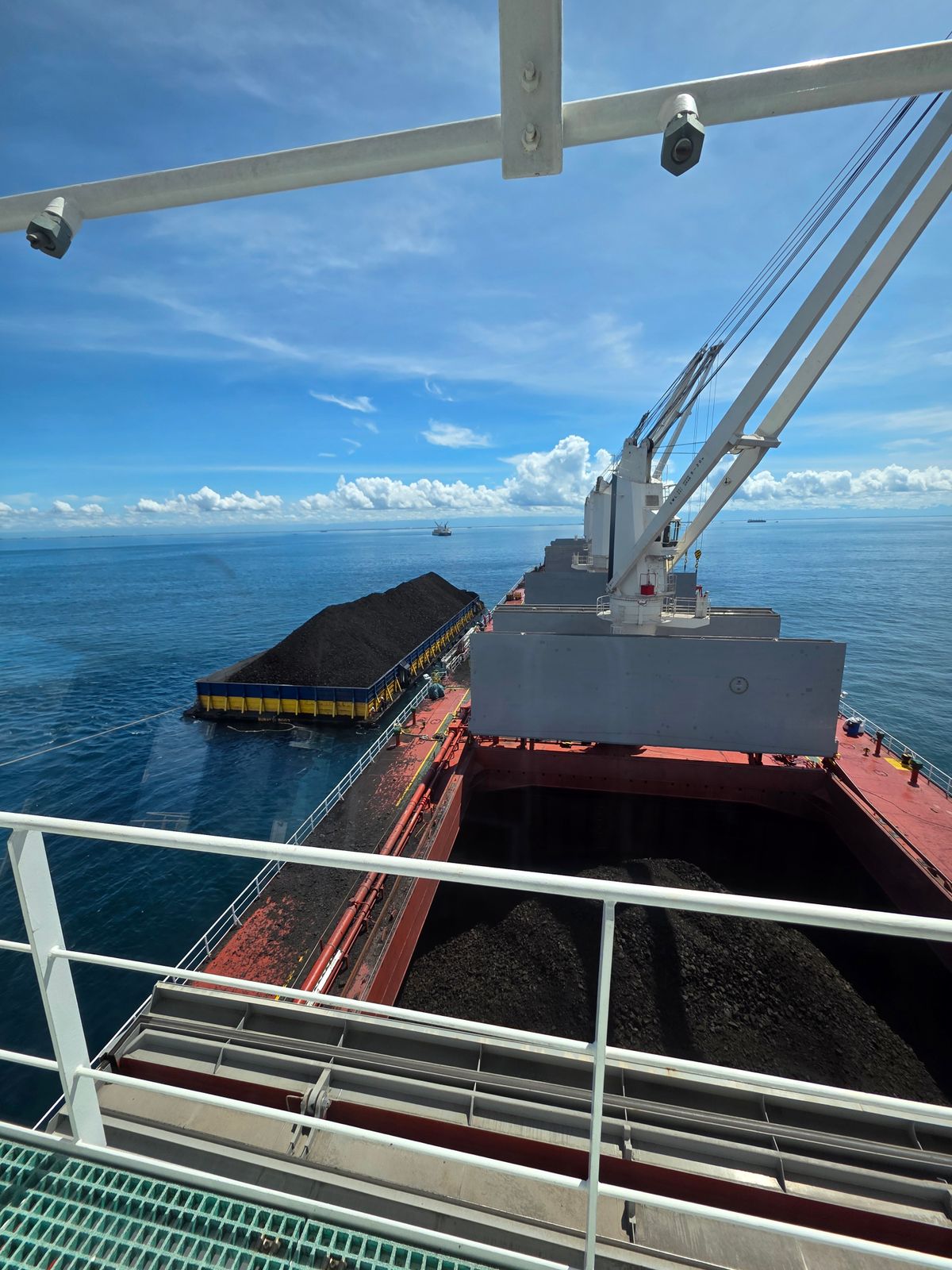
Bulk cargo vessel loaded in Indonesian waters

Southeast Asia

Tanjung Priok, Port Klang, Singapore, plus the overland and air options that beat them on urgent cargo.

Pricing

Priced against the shipment, not against software.

The fee scales with the value of the cargo, because that is what is at stake. Every price is published and there is no subscription.

Lane Check

Desk research from our rate library. No forwarder outreach.

$290per lane

Cargo under $50,000 · 48 hours

  • Feasibility and restrictions
  • Documents and permits mapped
  • Indicative rate range from comparable quotes
Start
Lane Report

The full exercise. Eight forwarders, real quotes, one recommendation.

$1,200and up

By cargo value · five working days

  • $1,200  ·  cargo $50k to $250k
  • $2,400  ·  cargo $250k to $1M
  • $4,500  ·  cargo over $1M
  • Refunded if we find you nothing better
Start a report
Desk

A standing sourcing desk for exporters quoting new markets continuously.

$2,400per month

Annual agreement · named analyst

  • Unlimited lanes, fair use
  • 72 hour standard turnaround
  • Quarterly review of your standing lanes
  • Benchmark library and data export
Talk to us

Founding cohort: the first report is free for qualifying exporters. Full pricing and terms

Common questions

Before you brief us

Do you take anything from the forwarder?

No. No commission, no placement fee, no referral arrangement. You pay the report fee and contract with the forwarder directly. It is the reason we can put a recommendation in writing and tell you which option to avoid.

Is this only useful if I am opening a new market?

No. Roughly half of what we expect to do is benchmarking lanes people already run. If you ship the same route every quarter and have never tested the rate, one report a year tells you whether you are paying market. If it turns out you are, that is worth knowing too, and you stop wondering.

What if the report does not find anything better?

We refund the fee and you keep the report. A benchmark that confirms your current arrangement is good is a real result.

Are you a freight forwarder?

No. We do not move cargo, book space, issue documents or handle your money. We are a research service. When you choose an option we hand over the forwarder's contact details and step out of the way.

Which lanes will you not take?

Anything with a sanctioned origin or destination, and anything where the commodity raises a dual-use question we cannot resolve. We screen every brief before approaching a single forwarder and tell you within one working day if we cannot take it.

Who sees my shipment details?

The forwarders we approach see the cargo, route and timing, because they cannot quote without it. They do not see your company name, your customer or your current pricing unless you ask us to name you.

Start here

Brief one shipment. See what the market actually says.

Ten minutes to describe a lane, and almost nothing is compulsory. Real quotes in five working days, or your money back if we find you nothing better.